Hello. My name is Joshua and I am 5 years old but I am very nearly 6! I love cuddly toys, doing craft, and playing with my train track. I love snuggling up with my favourite people to read books, or playing Monster Trucks with my big brother. My favourite foods are ice cream and melon – not mixed together though, that would be yucky!
Sometimes my tummy can feel really sore or my heart can beat too quickly if I don’t know what is going to happen, or if somewhere is too loud or fast. Or when I think I did something wrong. Sometimes my brain feels so busy like scrambly spaghetti, and I get tired really quickly. This makes me want to hide where no-one can see me.
But sometimes I can feel really safe, and really loved, and this is when I feel most brave and most at home.
Joshua’s struggles are a result of him experiencing a trauma and consequently being diagnosed with PTSD. However, Joshua and his family are not alone; there are many children, young people and adults who struggle to feel safe in different environments for many diverse reasons. As a result, even activities that are designed with all ages in mind can feel scary and unsafe leaving those affected feeling that they are unable to participate.
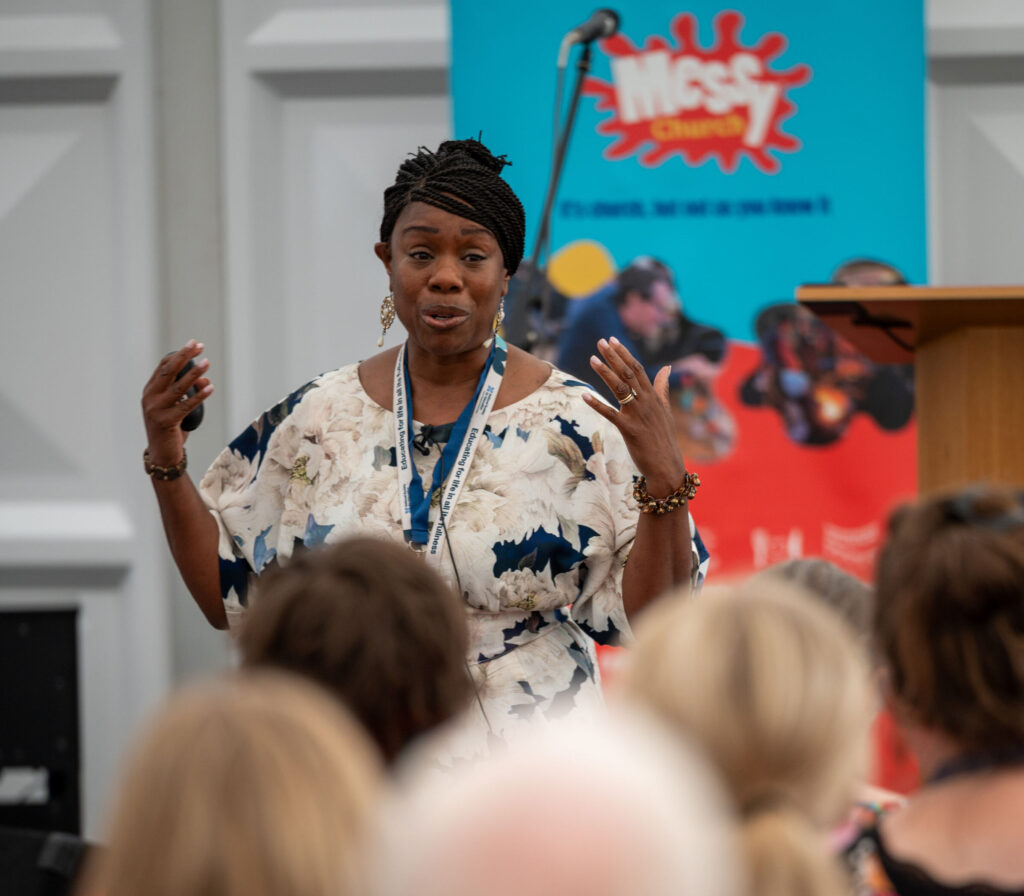
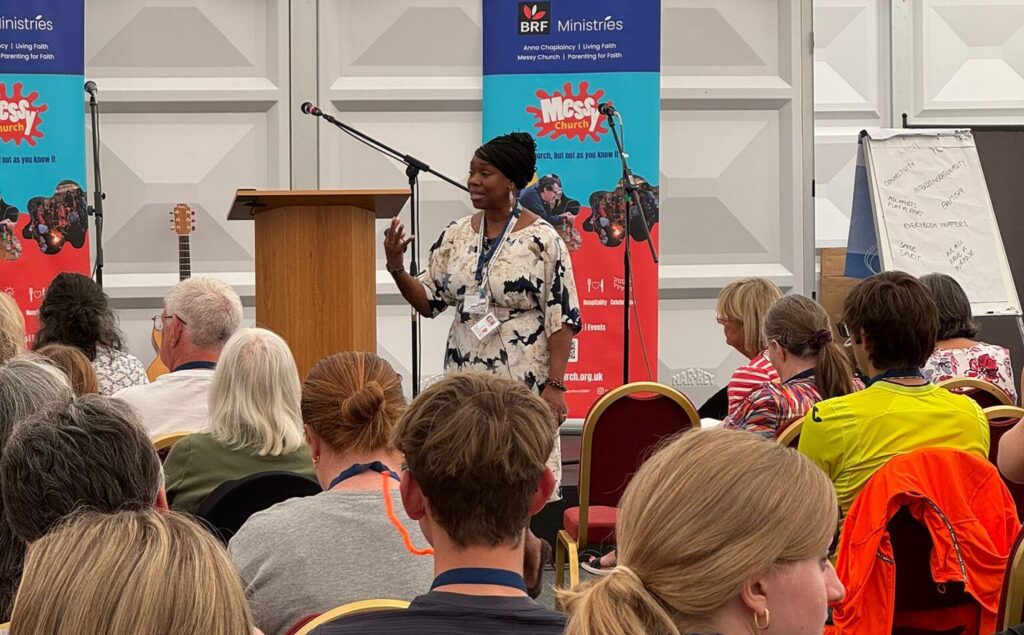
At the Messy Church conference, it was a joy to welcome Lorraine Prince (Head of Networks for the Church of England’s National Society for Education) and to hear her heart for creating psychologically safe spaces. Rooted in research and in her personal experiences, Lorraine explored with us the importance of creating communities where everyone can feel welcome, safe spaces where we can ‘be’ with one another. In the Bible, 1 Corinthians 12:20 tells us that we are all part of the Body of Christ; a picture of unity and togetherness where each member gets to play their part. So, what do we do when our heart is for togetherness, but it can be so very difficult for individuals to feel safe in environments that might be new, daunting, or overwhelming for them.
Lorraine brought the challenge that we are all having to try much harder to relate to each other in ways that would have been organic in the days before the Covid-19 pandemic; some of the skills that we naturally had in terms of how we connect and understand each other are no longer as familiar to us as we relate more on screens than ever before. 80% of our communication with each other is unspoken through things like body language and that is much harder to observe online, and this filters into our interactions in-person too as we are not as confident in picking up these cues. Communication struggles affect our ability to safe, and therefore to feel like we belong. For individuals like Joshua, feeling safe is the key to being able to engage and so it is essential that we can create spaces in which he, and others like him, can feel safe.
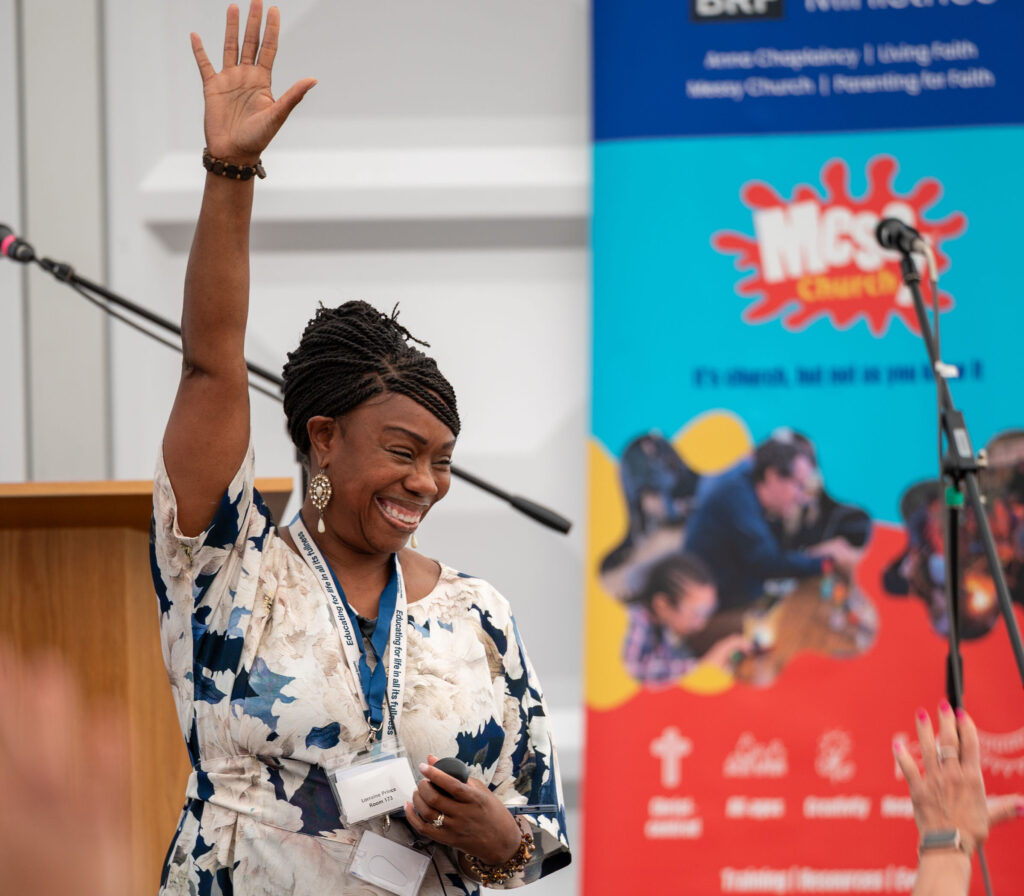
Experiencing safety is not only the key to engagement, but also to feeling like we belong, feeling like we can truly take our place in the body of Christ. Lorraine explained that this is because belonging is anchored in safety; it centres around the experience of feeling accepted, where our perspective is valued, like we can add something useful, a true sense of feeling needed and wanted. In her explanation, Lorraine introduced us to the beautiful word ‘Ubuntu’ – an ancient African word meaning “I am, because we are”. A wonderful reflection of God’s best for us as part of the body of Christ. Together we watched a video presentation from Father Gregory Boyle entitled ‘Beloved Belonging’. In his talk, Father Gregory encouraged us to demonstrate the body of Christ by standing in the margins and making sure that everyone is included, creating a circle of compassion so that we can experience relational wholeness with each other – no us and them, just us. He urged us to stand with those who are hurting so that there is no hurt, stand with the poor, the powerless, the voiceless so that we can create a community of beloved belonging, creating a place of kinship; one body belonging to Christ.
Reflecting on my experiences in church, it is always such a joy to see occasions where beloved belonging has been played out. Times where children like Joshua, who need safe spaces and safe people in order to engage, have been welcomed in and allowed the time that they need to feel a sense of calm and begin to feel safe enough to be themselves. Often there will be key people who provide a safe space for individuals who are struggling, often intergenerational relationships blossom and provide a sense of safety and calm that enable individuals to feel like they belong, and that their presence and contributions matter.
What an incredible opportunity we have in our Messy Churches and worshipping communities to create these spaces of beloved belonging where relationship comes first, where we create a circle of compassion that dismantles the barriers that can so easily exclude, where people like Joshua can encounter a loving God with no expectations on them other than to come and be, to rest in a place of safety in order to discover their unique place in the body of Christ.
Some questions to ponder:
What does it feel like when you belong?
How can we create spaces where people want to be together?
What do we need to do to create communities of beloved belonging in our Messy Churches?
At the Messy Church conference, we explored this topic through a Messy Church session on Community, which you can find in Get Messy vol. 3 or buy as an individual session.
Sarah Smart
Messy Church Network Development Lead
You may also like
2025 – a year in the life of Messy Church ministry
7th Jan 2026Aike shares her reflections on where God has been at work amongst BRF Ministries Messy Church team in 2025!

Aike’s Advent-tures in Finland
3rd Dec 2025Aike recently visited Finland where she encountered a winter wonderland and experienced star gazing, from dark skies to the amazing colours of the Northern Lights and God's awesomeness in creation, where love, light and hope can be found!
Messy Momentum Autumn Update
17th Nov 2025Catch up on the story so far with our latest research project.
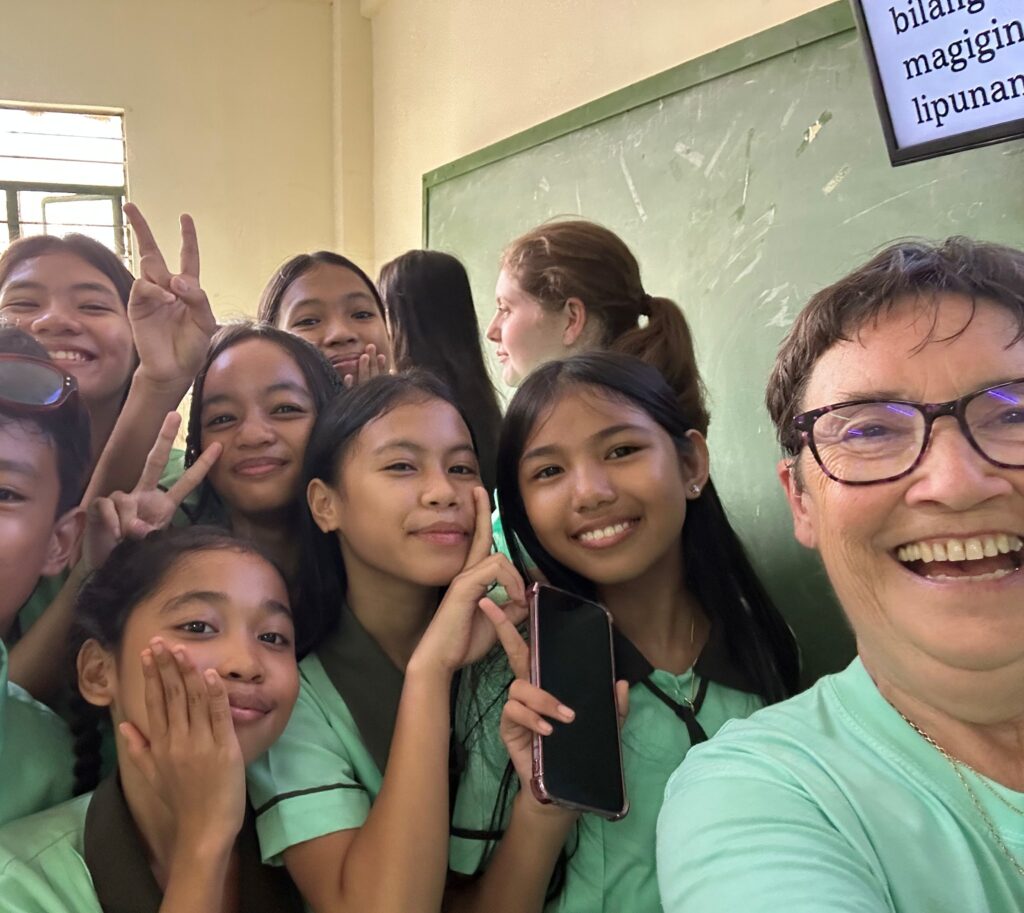
Messy Mary’s Mission to the Philippines
14th Nov 2025Mary Judkins is a member of our volunteer support team and leads a Messy Church Goes Wild in Cornwall. Read all about her recent mission trip to the Philippines.
