Trish Hahn has pioneered two SEND Messy Churches, the first for five years in Hemel Hempstead and for the past 11 years in Clacton, Essex. Trish’s eldest daughter has quadriplegic cerebral palsy due to birth trauma and when she was little it was hard to find a welcoming group to take her to.
‘I prayed about it,’ says Trish, ‘and said to God, Look, is there anything in Hertfordshire I can take her to? And what came back was, I want you to start a group. And of course, I went la, la, la… but the more I spoke to other families, the more I heard that there was nothing out there for families with children with disabilities, or additional needs, or for the siblings. The more I thought about it and prayed about it, the more God spoke to me really clearly.
Some friends went to Spring Harvest and came home with one of Messy Church founder, Lucy Moore’s, first books, about Messy Church and a DVD. ‘It was exactly what God was telling me to do! Except I was thinking about families who had a child or children with disabilities and additional needs: the exact same format. For me, that was confirmation that I needed to do something.’
Trish took her idea to the church meeting and to the Sunday congregation at the United Reformed Church she and her husband attended and contacted all the special needs schools in the area. There was a lot of support for the idea – ‘volunteers came out of the woodwork and it really snowballed!’ – and she was in touch with Lucy, then the Messy Church ministry lead, and Jane Leadbeater in the national team.
‘Very quickly we had a lot of families who were just so relieved to be able to come to church. Some of them had never set foot inside the church. Some of them had really bad experiences of not being welcomed, or their child, or their children not being welcomed. God had been breaking my heart in the run up to setting it up, but hearing from those families really made me realise that there was a purpose in this.’
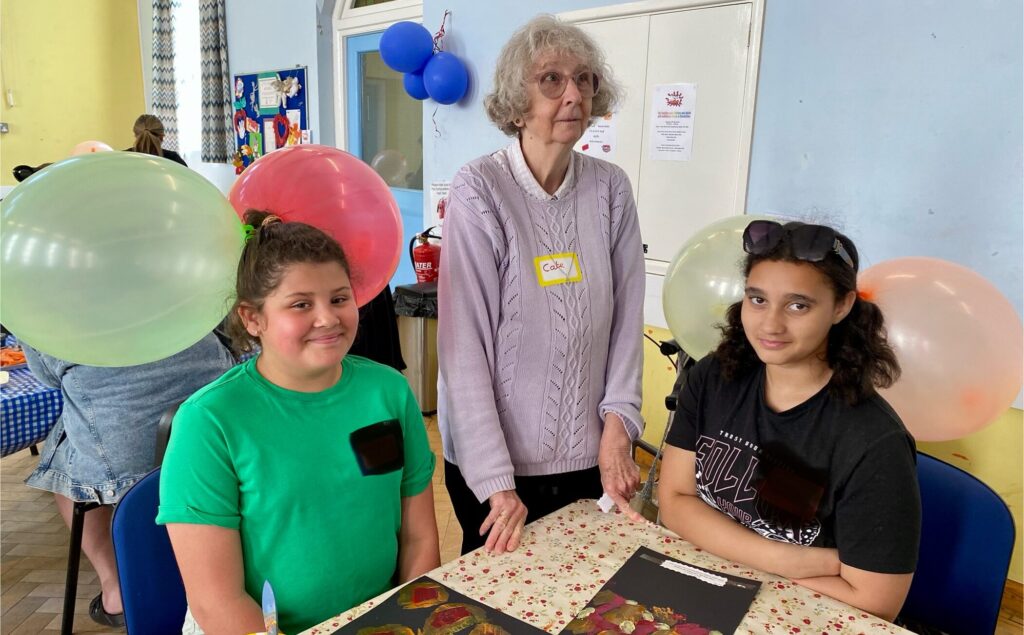
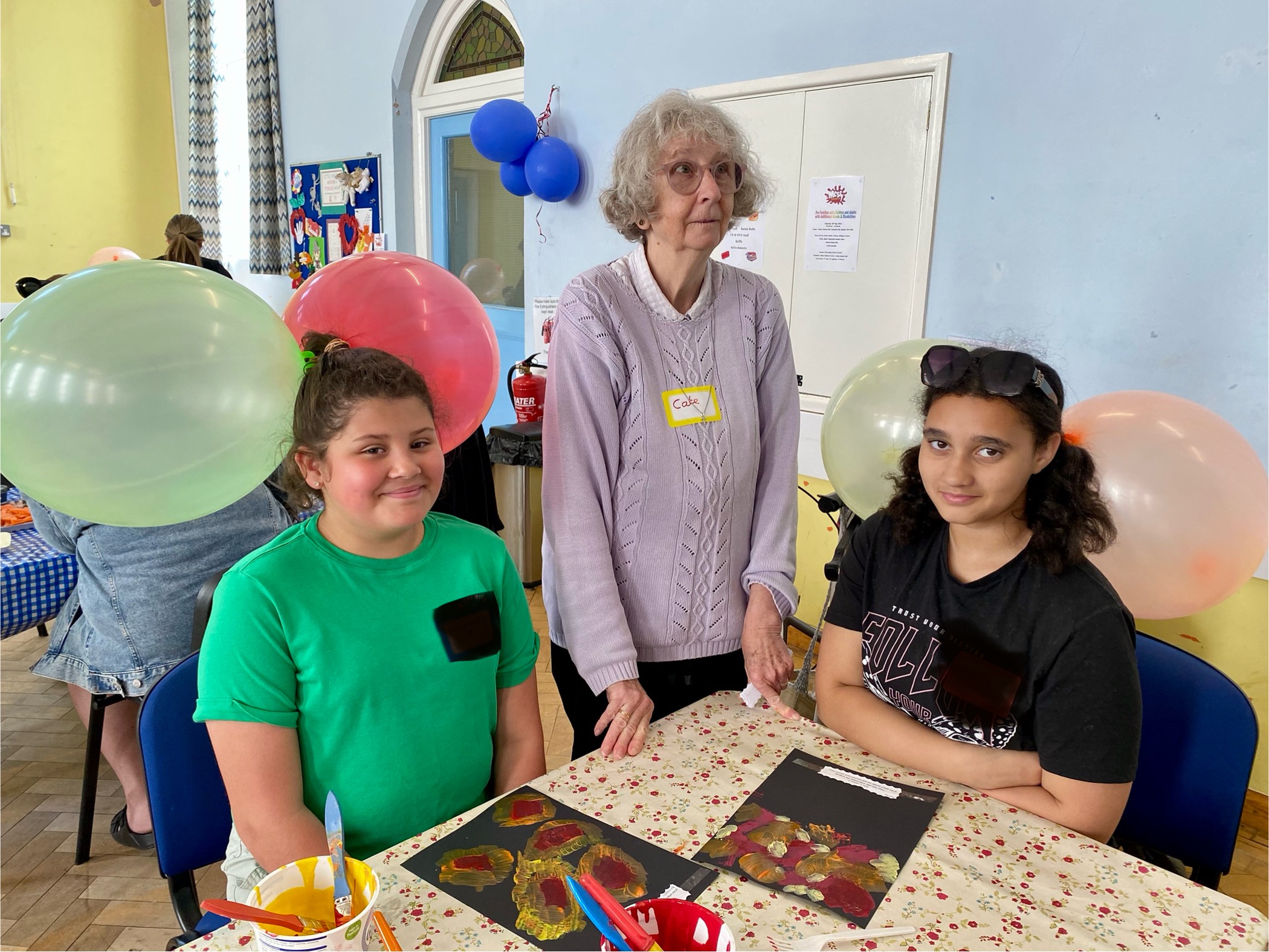
The need was so clear that when Trish moved to Clacton 11 years ago, she immediately set about starting another SEND Messy Church, even though she was expecting her third child. They meet once a month on a Saturday morning and have up to 14 families at a session. A large proportion of those are integrated families. ‘A lot of the families are single parent, so it might be mum and the children and grandparents, or sisters, brothers, aunts and uncles of children, or cousins, or dad coming with the kids and his parents, so you do get a lot of different age groups coming together. It’s genuinely intergenerational. We kind of mash everybody together and they really do seem to enjoy coming.’
So what is it about the Messy Church model that makes it especially suitable for SEND families?
‘Obviously the way we do our welcome is really important. There’s somebody on the door to do the register, and we make a point of chatting to the families as they’re coming in. We get to know them over time, so we can address children by name. How are you doing, Johnny, how has your month been? What have you been up to? And as you get to know them, you know what they’ve been doing with sport or school and then they’ll start talking about what’s going on in their lives.’
Something else Trish and the team have done is use Makaton signs in the welcome. In the Makaton communication system, signs are used, with speech, in spoken word order. This helps provide extra clues about what someone is saying, which can help people who have no speech, or whose speech is unclear. This opens up all kinds of possibilities.
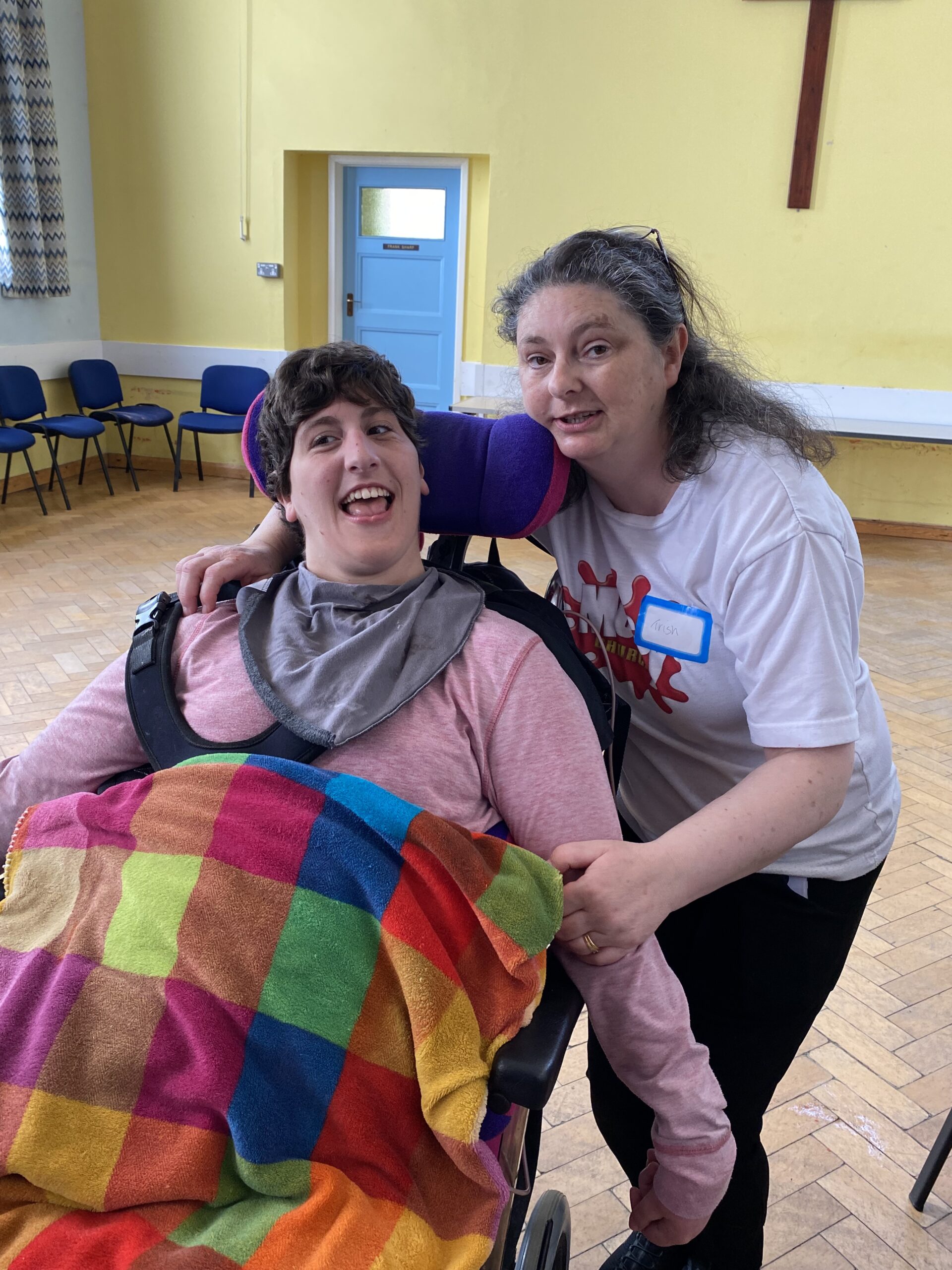
‘For those who need it, for people who are nonverbal, signing hello and their name makes them feel a part of Messy Church because we make it personal,’ says Trish. ‘A very big part of the welcome is to make it personal to each family. It’s not Oh, hi mum, hi dad, but actually using their Christian names. Because I know what it’s like if therapists call me mum: I just think, oh, it would take a moment to ask my name, or it should be in your notes. Use my name! Again, it’s not just about making the children feel welcome, it’s about making the parents feel welcome. We want them to feel it’s their Messy Church and we do that in part by having proper conversations with them, remembering the things they’ve told us about their lives, and building the relationship. And as you get to know them, like the children, they start to confide in you.’
Beyond that, there are all the usual Messy Church ingredients, including the Bible story and the worship and singing. The leaders work hard to make all the activities relevant to the story, but also make them sensory experiences as well.
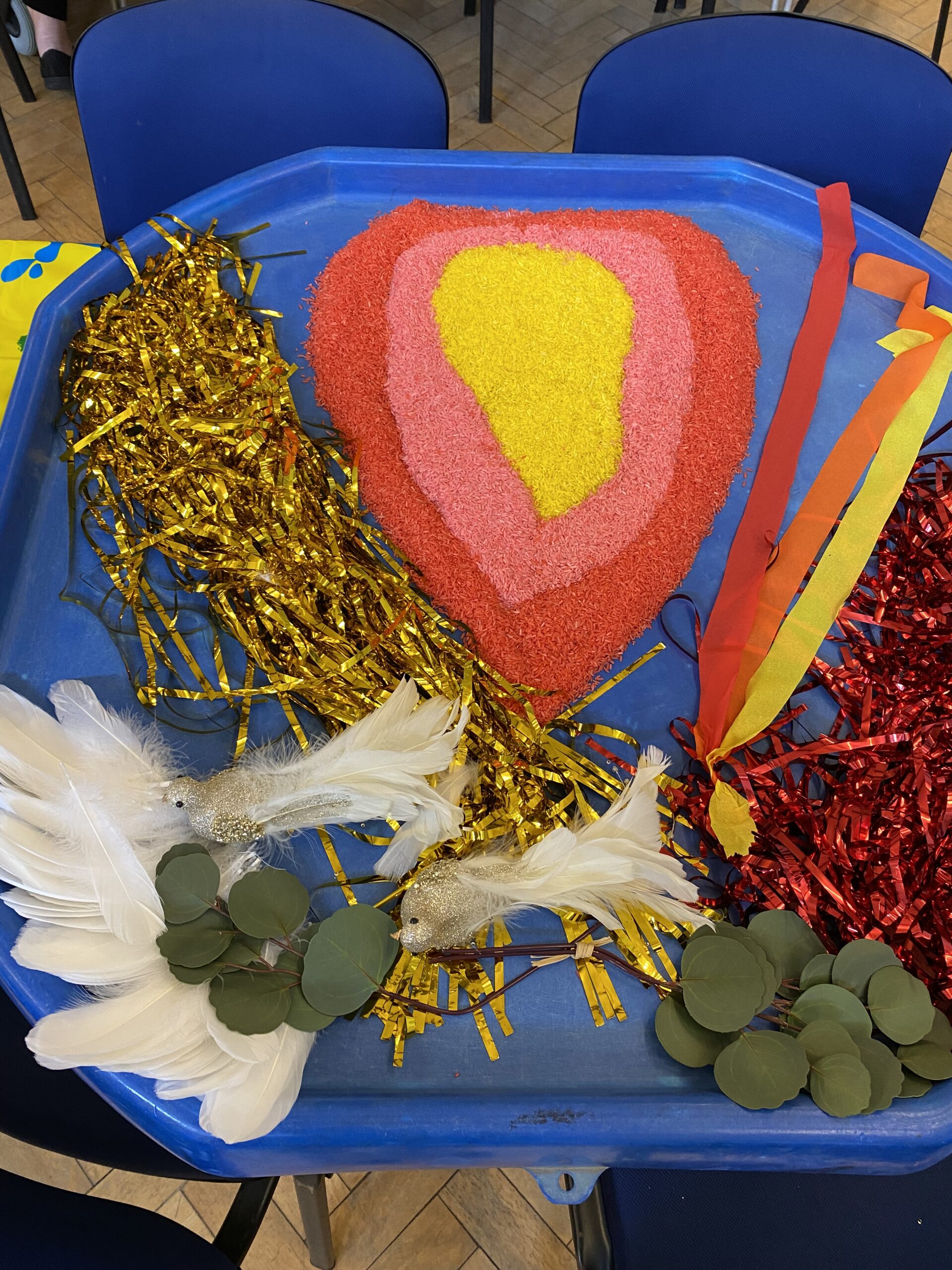
‘We normally have a hexagon-shaped tray and we put different objects for sensory play on it. We try to make them pertinent to the story. So, for example, when we did Pentecost, we had different coloured rice on the tray: red rice, orange rice and white rice and little doves with real feathers. We also had strips of different coloured crepe paper, and in one of the activities we got them to tie the strips onto garden canes so they could wave them to look like flames. Everything was relevant to the Pentecost theme and were things families could do together. That’s how it’s meant to be, isn’t it? So at one level, it’s exactly like any other Messy Church: it just works!’
Trish and her team are well-equipped as far as accommodation is concerned. ‘We’re blessed in that we’ve got quite a reasonable sized hall and we’ve also got an extra room if we need it, for quieter activities, if somebody needs that. We’ve also got a whole load of sensory toys to go with a blackout tent and we’ve used that a lot. In the winter time we tend to stay in the hall more, because we can heat it much more easily and quickly and then we go through into the main worship area, where we’ve got all the seats and the music and the overhead projector. But whatever we do, and whoever comes, whether they’ve got additional needs or any kind of disability or not, our aim is to help them know that Messy Church is their church and their congregation, and to help them to feel they’re part of it and that they’re important and that they’re included. It’s loving people into the church; God’s love in action. It’s about hands in the sandbox, not bums on seats!’
You can read more about Trish Hahn’s blog: “Welcome for all – Belonging without Barriers” – here which offers practical suggestions and resources on how you adapt your Messy Church to be more inclusive.
You may also like
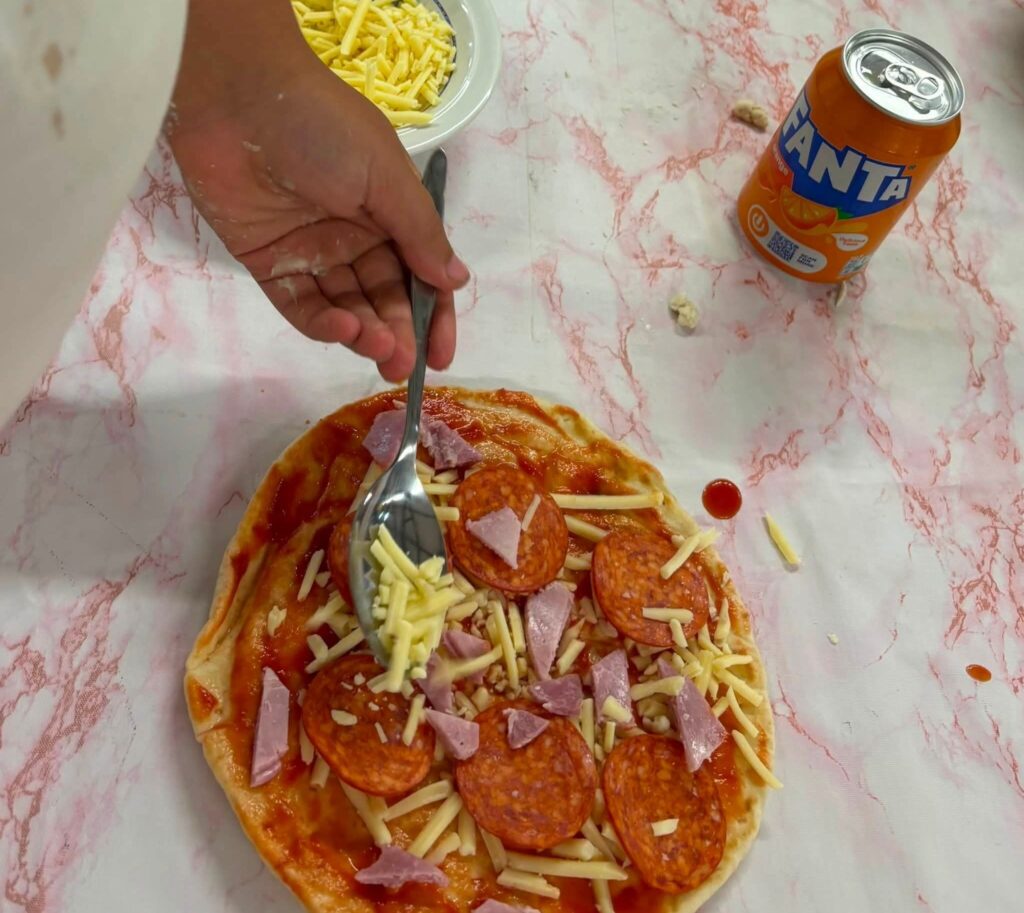
A small grant, a big difference! Discover how a Messy Church microgrant helped St Andrews Blidworth welcome local people, bring Bible stories to life, and build lasting community connections. Read how a simple invitation led to something special and how God might be at work in the most unexpected ways.
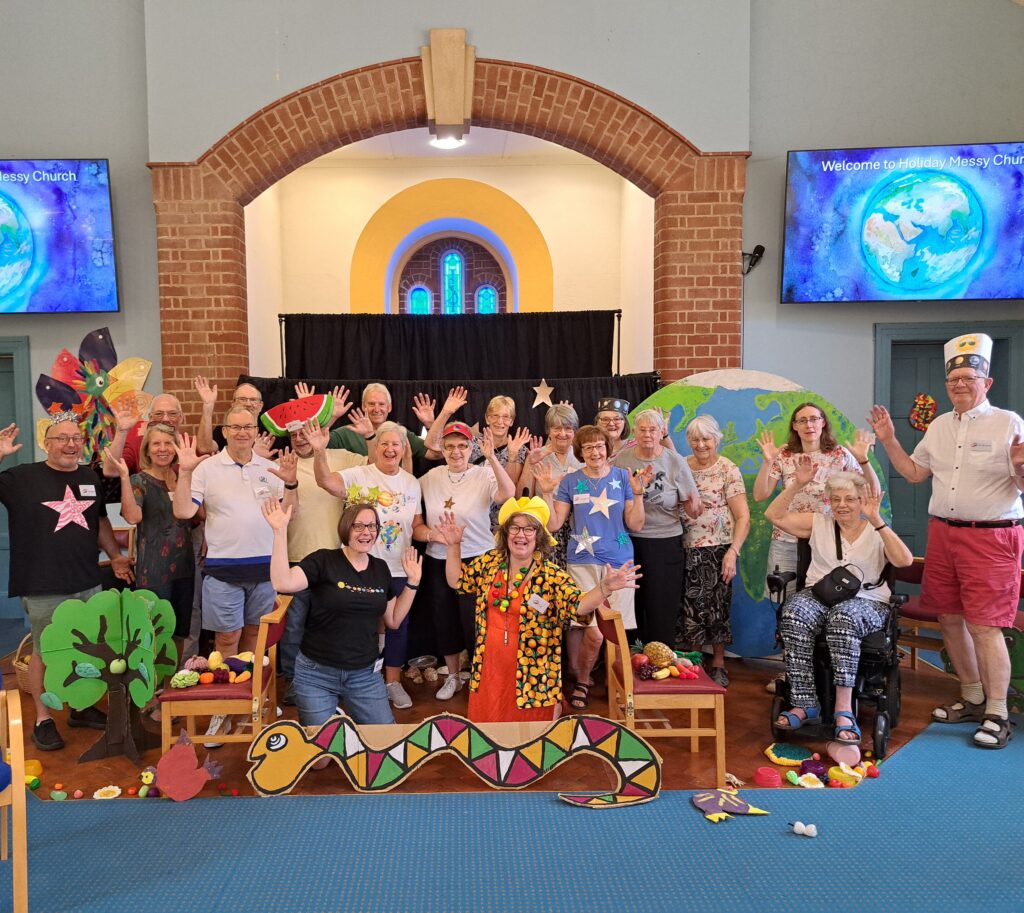
Messy Church… in the summer holidays! Droitwich Spa Methodist Church tried something new with a two-day holiday Messy Church, bringing children together for creativity, Bible stories, games and exploring God’s wonderful world. Find out how it went and why they’re already planning next year's!
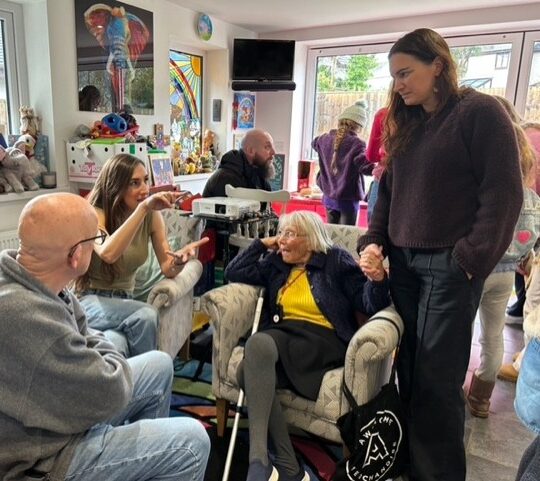
What happens when Messy Church becomes truly intergenerational? Meet Mary Judkins, whose extraordinary home-and-garden Messy Church brings together four generations and keeps teenagers coming back. Discover the relationships, challenges and joyful surprises behind this remarkable community.
Messy Church at St Eustachius in Tavistock had a communion service in July, which was a wonderful culmination of their Holy Habits series - written by Sarah Pendle, Messy Church leader
